
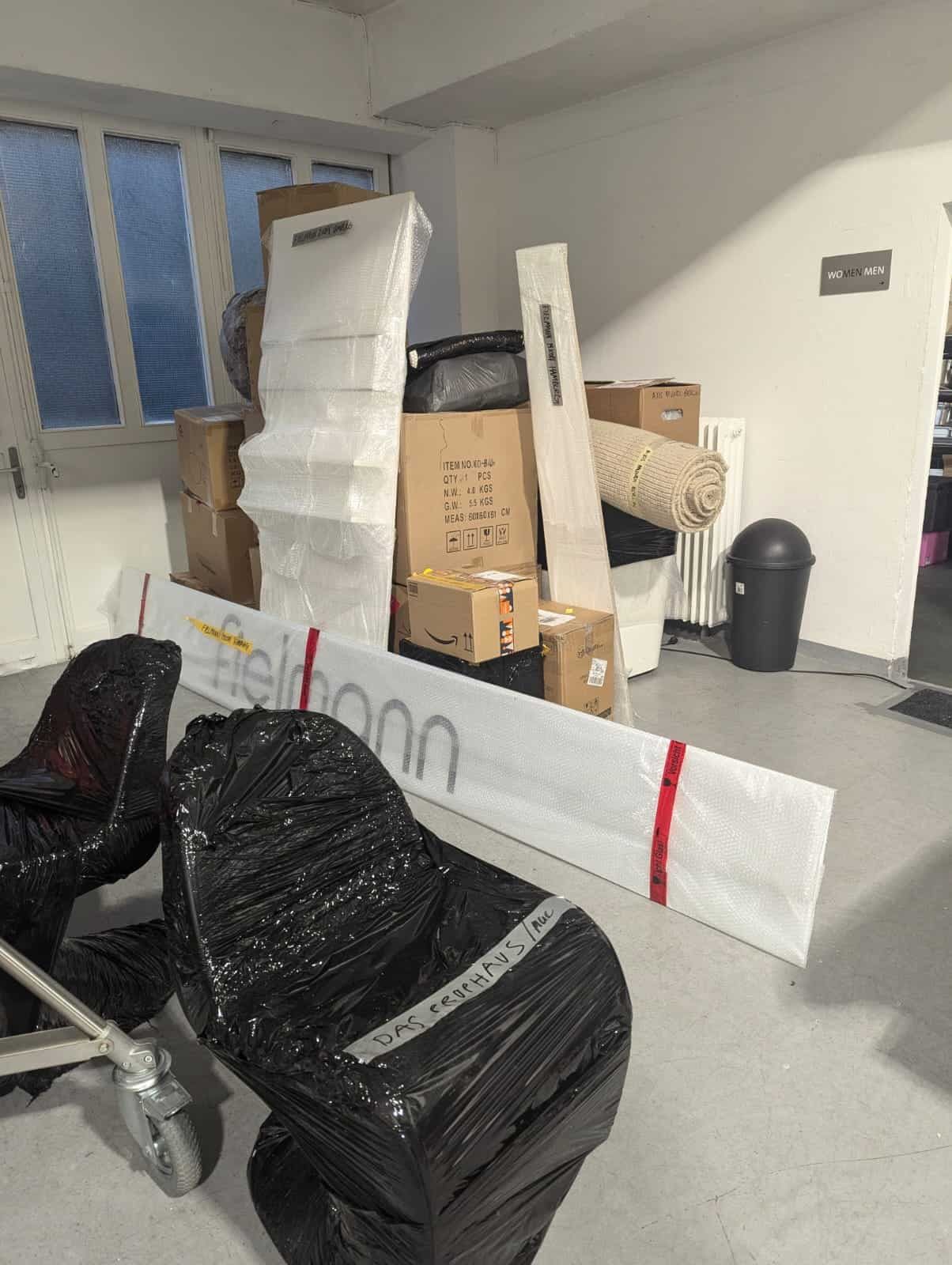
Good packing supports a safe carry and an organised arrival. Start by deciding which tasks you will do yourself and which you want priced as a packing service. Mixing responsibilities without labels can leave fragile pieces unprotected or boxes that nobody has checked. Work from infrequently used rooms towards everyday essentials.
Choose protection for the contents
Use suitable boxes, protect fragile items individually and avoid letting heavy objects press against delicate surfaces. Do not apply tape directly to finishes without manufacturer guidance. Keep screws and removable fittings in labelled containers associated with the correct furniture.
Label for the destination
Put the room name and a short contents description on more than one side. Mark the boxes you need first. Avoid labelling valuable contents in unnecessary detail on the outside; keep the detailed inventory privately instead.
Finish with a readiness check
Check that boxes close securely, furniture access is clear and personal essentials are separate. Declare batteries, chemicals and other potentially regulated goods instead of hiding them in sealed boxes. Ask the transport team before including uncertain items.
Packing methods should follow the item’s material and the accepted transport requirements. Unusual or high-value pieces need individual assessment.